
Structural Benefits of Angle Iron for Drainage Systems
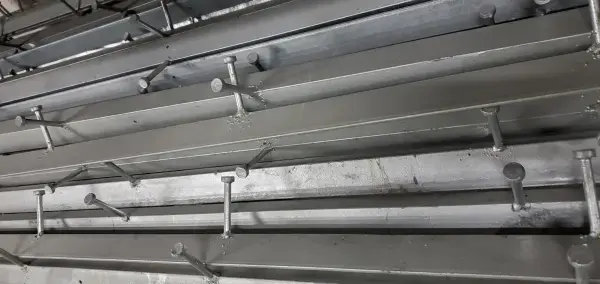
Structural reinforcement is one of the most important yet often overlooked aspects of a successful drainage system. While trench drains are designed to collect and redirect water efficiently, even the most carefully planned installations can experience premature wear when they lack adequate structural support.
One of the most effective ways to strengthen a trench drain installation is through the use of angle iron. These durable metal components help reinforce drain edges, distribute loads more effectively, and protect surrounding concrete from damage. As a result, angle iron plays a critical role in improving the long-term performance and reliability of drainage systems in commercial, industrial, municipal, and residential applications.
What Is Angle Iron, and How Is It Used in Drainage Systems?
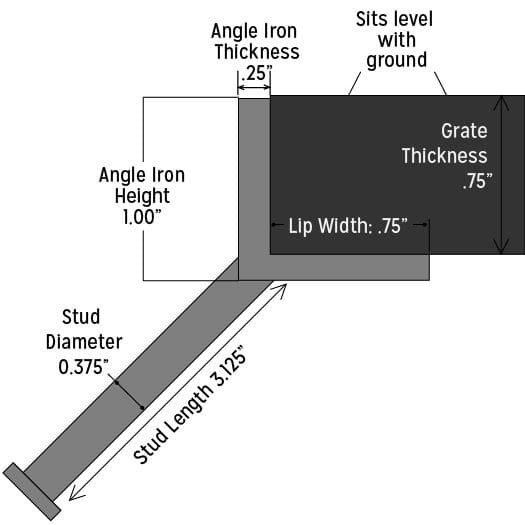
Angle iron is an L-shaped metal component typically manufactured from steel, galvanized steel, stainless steel, or aluminum. Its shape creates exceptional strength and rigidity, making it ideal for reinforcing structural edges and load-bearing surfaces.
In trench drain applications, angle iron is commonly installed along the top edges of the drainage channel. The supports serve as a protective frame that holds the trench grate and shields the surrounding concrete from excessive stress. By creating a stronger transition between the drain system and the surrounding surface, angle iron helps prevent cracking, chipping, and edge failure.
The Benefits of Installing Angle Iron Along Trench Drains
The addition of angle iron can dramatically improve the durability and performance of a drainage system.
Enhanced Load Distribution
One of the primary advantages of angle iron is its ability to distribute weight more evenly across the drainage structure. Heavy loads concentrated on the edges of a trench drain can quickly lead to cracking and structural damage. Angle iron helps spread those forces across a larger surface area, reducing stress on both the drain and the surrounding concrete.
Improved Edge Protection
Concrete edges are often among the most vulnerable parts of a trench drain installation. Repeated impacts from vehicles and equipment can cause these edges to chip or break away over time. Angle iron acts as a protective barrier, shielding concrete from direct contact and minimizing wear.
Longer System Lifespan
Drainage systems represent a significant investment, and property owners naturally want to maximize their service life. By reducing structural damage and protecting critical components, angle iron helps trench drains remain functional and reliable for many years.
Reduced Maintenance Costs
Repairs involving cracked concrete, damaged drain edges, or misaligned grates can be expensive and disruptive. Reinforcement provided by angle iron helps prevent many of these common issues, reducing maintenance requirements and lowering long-term ownership costs.
Increased Stability for Trench Grates
Loose or uneven grates can create safety hazards and negatively affect drainage performance. Angle iron provides a stable support surface that helps keep grates properly aligned and securely seated.
Better Resistance to Heavy Traffic
Facilities that experience constant vehicle traffic place tremendous demands on drainage systems. Angle iron strengthens vulnerable areas and improves resistance to the repeated impacts associated with cars, trucks, forklifts, and heavy equipment.
Applications Where Angle Iron Is Most Valuable
While angle iron can provide benefits in nearly any drainage installation, it is especially valuable in environments where heavy loads or frequent traffic are present.
- Industrial Facilities: Manufacturing plants, warehouses, and distribution centers often utilize forklifts, pallet jacks, and heavy machinery. Since these facilities place substantial stress on drainage systems, reinforcement from angle iron is essential for long-term durability.
- Commercial Parking Lots: Parking lots and parking garages experience continuous vehicle traffic. Angle iron helps protect trench drains from damage caused by cars, trucks, delivery vehicles, and maintenance equipment.
- Loading Docks: Frequent loading and unloading operations expose trench drains to concentrated wheel loads that can quickly damage unreinforced installations.
- Roadways and Municipal Infrastructure: Municipal drainage systems often encounter heavy traffic from buses, emergency vehicles, construction equipment, and commercial trucks. Angle iron provides critical reinforcement that helps these systems withstand constant use.
- Residential Applications: Although residential systems generally experience lighter traffic, angle iron can still provide valuable reinforcement for driveways, garages, and other areas where vehicles regularly cross drainage channels.
Can Existing Drainage Systems Be Retrofitted With Angle Iron?
Many property owners assume that angle iron can only be incorporated during initial construction, but that is not always the case. In many situations, existing drainage systems can be retrofitted with angle iron to improve structural performance and address developing issues.
The feasibility of a retrofit depends on several factors, including the condition of the current trench drain, the surrounding concrete, and the specific design of the drainage system. In some cases, damaged edges can be repaired and reinforced with new angle iron installations to restore structural integrity and prevent further deterioration.
Retrofitting may be particularly beneficial for older drainage systems that were originally installed without reinforcement or for facilities that have experienced increased traffic loads over time.
Strengthen Your Drainage System for Long-Term Performance
Are you looking to protect trench drains from long-term structural damage? Contact our experts at The Trench Grate Store for a customized quote on angle iron and other drainage accessories, or shop online today! By reinforcing vulnerable areas, improving load distribution, and supporting grate stability, our high-quality components help drainage systems perform more effectively while reducing maintenance and repair costs.