
A Comprehensive Guide to Aluminum Grate Load Ratings
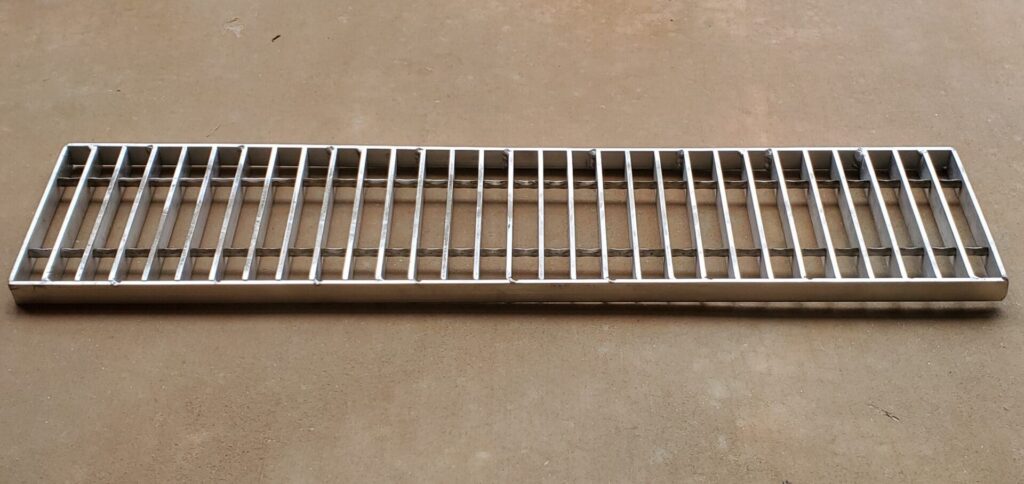
Understanding load ratings is essential for selecting an aluminum grate that will perform safely and reliably over time. In fact, choosing the incorrect load rating can lead to premature structural failure, hazardous conditions, and expensive repairs.
The Trench Grate Store offers a wide range of quality drainage products along with technical support to help customers choose grates that meet both performance expectations and compliance requirements.
What Is a Grate Load Rating?
A grate load rating is a classification that indicates how much weight a drainage grate can safely support under specified conditions. These ratings are established through testing and engineering analysis.
Load ratings help manufacturers, engineers, architects, and contractors determine whether a particular grate is suitable for its intended environment. A grate installed in a pedestrian walkway, for example, faces significantly different loading conditions than one installed in a roadway or industrial loading dock.
When discussing load ratings, it is important to understand that the rating applies not only to the grate itself but also to the overall drainage system. The frame, channel, installation method, and surrounding support structure all contribute to the system’s ability to handle applied loads. Even a highly rated aluminum grate can fail if it is improperly installed or paired with an inadequate drainage channel.
Testing standards often evaluate factors such as:
- Maximum load-bearing capacity
- Deflection under load
- Structural integrity after repeated loading
- Safety margins for real-world conditions
These measurements help ensure that the grate will continue functioning as intended throughout its service life.
Why Load Ratings Matter in Drainage System Design
There are three primary reasons why load ratings must be prioritized:
1. Public Safety and Liability Prevention
A compromised drainage grate creates immediate hazards. If a grate buckles or breaks under the weight of a passing car or pedestrian, it can cause severe bodily injury, tire blowouts, or catastrophic vehicle damage. Ensuring your aluminum grates meet or exceed the required load ratings mitigates legal liability and ensures public safety.
2. Operational Longevity and Cost Efficiency
Under-rated grates will warp, crack, and fail prematurely under structural fatigue. This leads to early replacement costs, repeated labor expenses, and operational downtime. Selecting a properly rated aluminum grate, in contrast, ensures decades of reliable service.
3. Material Preservation
Aluminum is highly favored in architectural and drainage applications due to its lightweight nature, exceptional corrosion resistance, and aesthetic appeal. However, because aluminum has different mechanical properties than cast iron or heavy steel, understanding its specific structural load thresholds is critical to maximizing the material’s inherent benefits without pushing it past its physical limits.
Understanding Common Grate Load Classifications
In North America, two primary standard systems govern trench drain load ratings: the international DIN EN 1433 standard and the domestic AASHTO (American Association of State Highway and Transportation Officials) guidelines.
Common EN 1433 classifications for trench grates include:
- Class A: Class A grates are designed for pedestrian and bicycle traffic areas where vehicle access is not expected. These grates are commonly used in sidewalks, walkways, residential landscaping, and bike paths.
- Class B: Class B grates are intended for areas that may experience occasional passenger vehicle traffic. Typical applications include residential driveways, parking areas, and small commercial properties.
- Class C: Class C grates are often used in locations where vehicles regularly cross drainage systems, such as parking garages, commercial loading zones, and curbside drainage areas.
- Class D: Class D grates are designed for roadways and commercial areas that experience heavier vehicle traffic. Common applications include streets, commercial parking lots, distribution centers, and industrial facilities. It is rare for standard aluminum grates to have a Class D rating.
When it comes to AASHTO guidelines, you will frequently see references to AASHTO H-20 or HS-20 ratings. An H-20 rating indicates the grate can support a 32,000-pound axle load, mimicking the weight of a fully loaded commercial semi-truck.
It’s important to note that most aluminum trench grates fall into Class A and should not be used where traffic of any kind is expected. If your project needs to withstand cart, light vehicle, or heavy truck traffic, consider trench grates made from a different material, such as galvanized steel or cast iron.
The Role of Building Codes and Regulatory Compliance
Building codes and regulatory standards exist to protect public safety and ensure infrastructure performs as intended. When selecting aluminum grates, compliance with these requirements is often mandatory.
Local jurisdictions often adopt building codes that reference nationally recognized engineering standards. Depending on the project, these requirements may incorporate ANSI standards, transportation agency specifications, municipal regulations, and AASHTO design criteria.
For roadway and transportation projects, AASHTO standards are particularly significant. Transportation agencies routinely rely on AASHTO guidelines when evaluating drainage structures that must withstand traffic loads generated by passenger vehicles, commercial trucks, buses, and maintenance equipment.
Failure to comply with applicable standards and code requirements can lead to:
- Failed inspections
- Project delays
- Increased liability exposure
- Premature system failure
- Expensive corrective work
For these reasons, engineers and contractors should carefully review project specifications and consult drainage experts when selecting trench drain grates and related components.
Common Applications for Aluminum Trench Drain Grates
Aluminum trench drain grates are used in a wide variety of settings because they offer an attractive combination of corrosion resistance, lightweight designs, and clean aesthetics.
Residential Properties
Homeowners often choose aluminum grates for:
- Pool decks
- Patios
- Landscape drainage systems
Commercial Facilities
Commercial properties frequently utilize aluminum grates in:
- Shopping centers
- Office complexes
- Pedestrian plazas
- Other applications where there is no vehicle traffic
Recreational and Public Spaces
Parks, sports complexes, schools, and municipal facilities often use aluminum trench drain grates because they provide reliable drainage while maintaining an attractive appearance.
Shop for Quality Aluminum Trench Grates at The Trench Grate Store
Load ratings are more than just numbers; they are critical safety and performance benchmarks that help ensure drainage systems function as intended. Choosing a grate that meets both project requirements and applicable building codes is essential for protecting infrastructure, minimizing maintenance costs, and ensuring regulatory compliance. The Trench Grate Store can help customers understand load rating requirements, compare available products, and choose compliant drainage solutions tailored to their specific applications.
Connect with our team today for expert assistance selecting the right aluminum grate for your project. We offer 1-inch and 1.25-inch aluminum grates for light applications.