
How to Choose the Right Trench Grate for Your Project
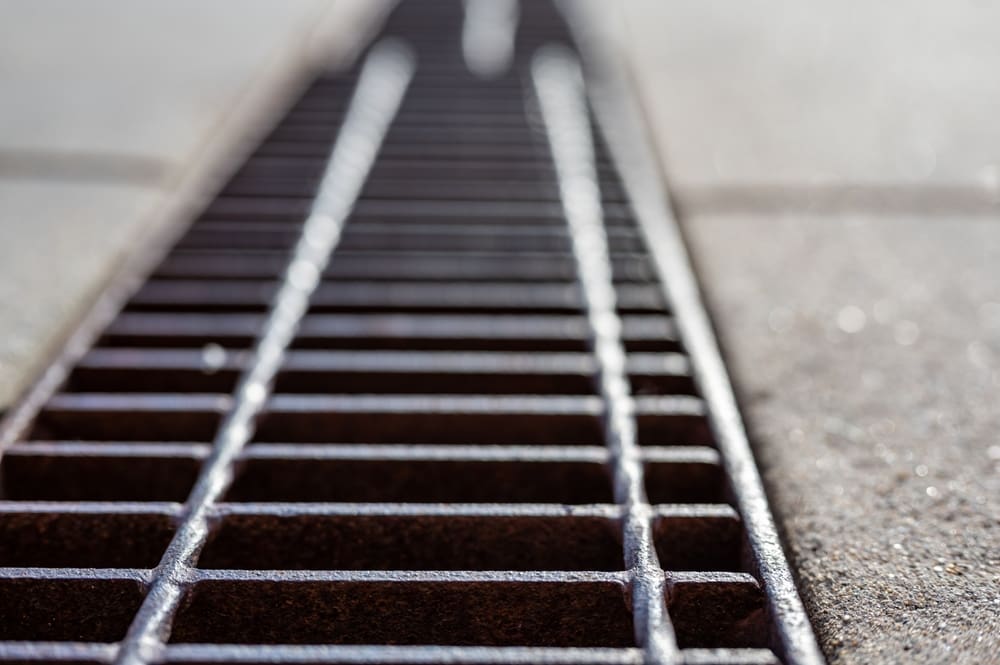
While trench drains themselves are designed to direct water away from structures, pavement, and landscaping, the grate is the component that takes on the daily wear and tear. It must withstand environmental exposure, debris, foot traffic, and sometimes heavy vehicles or industrial equipment. In many ways, the trench grate acts as both the protective cover and the working surface of the drainage system.
Because of this, choosing the wrong grate can lead to serious problems. For example, a grate that isn’t designed for the right load may bend or break under pressure. And the wrong material choice may corrode prematurely. Poor design choices can even create safety hazards or cause frequent maintenance issues.
If you want to make sure you’re selecting the right trench grate (both in terms of material and load rating), keep reading our guide. We’ll explore the most important factors to consider when choosing a trench grate for your project.
Understanding Traffic Types
One of the first questions to ask when choosing a trench grate is: what will cross over it? Traffic type has a direct effect on the kind of grate needed, because each environment places different demands on the drainage system.
Pedestrian Areas
Pedestrian-only areas are among the most common trench drain applications and include sidewalks, pool decks, patios, courtyards, public walkways, landscaped outdoor spaces, and other areas where the main concern is foot traffic. In these settings, the grate still needs to be durable, but it does not need the same structural strength required for vehicles.
Carts and Rolling Equipment
Some areas are not exposed to full vehicle traffic but still handle rolling loads from hand trucks, shopping carts, maintenance carts, or similar equipment. These applications require more strength than pedestrian-only environments because wheels can concentrate weight over smaller contact points.
Light Vehicles
Light vehicle traffic includes passenger cars, golf carts, and other low-weight vehicles typically found in residential or light commercial settings. Driveways, parking areas, and private access roads may all fall into this category. The grate must be able to handle occasional or repeated vehicle crossings without deflecting or wearing prematurely.
Delivery Vehicles
Even if a site does not regularly support large industrial traffic, the occasional presence of UPS trucks, service vans, or heavier pickups can quickly exceed the limits of a grate intended only for residential use.
This is a common point of confusion in drainage design. A driveway may seem like a light-duty environment, but if delivery trucks or heavier work vehicles use it, the grate needs to be rated accordingly.
Heavy Equipment and Commercial Traffic
Industrial areas, loading zones, commercial access points, and facilities that see heavy trucks or equipment require much stronger trench grate systems.
Tractor-trailers, heavy machinery, garbage trucks, forklifts, and similar loads place significant stress on the grate and the supporting drain structure. In these environments, extra heavy-duty or cast iron options are often necessary.
Grate Thickness and Its Impact on Load Capacity
Grate thickness plays a major role in determining what a trench grate can handle. While the specific design of the grate also matters, thickness is a practical way to understand the general load range a product is built for.
- 0.75-Inch Grates: Grates that are 0.75 inches thick are not intended for regular pedestrian traffic and should not be used where people will regularly step on them. They are typically used for bar tops and other applications where only occasional foot traffic is a possibility.
- 1-Inch Grates: One-inch grates are generally suitable for pedestrian traffic, carts, and very light vehicle loads.
- 1.25-Inch Grates: A 1.25-inch grate is appropriate for driveways and areas without trucks.
- 1.5-Inch Grates: Grates that are 1.5 inches thick and of the appropriate width can support heavier loads, such as dually pickup trucks or UPS trucks, but not tractor-trailers. This makes them a strong option for properties that experience more demanding traffic than a basic residential driveway.
Some projects require grates thicker than 1.5 inches or the use of cast iron grates. These extra heavy-duty applications include H-20 rated traffic, commercial vehicle loading areas, industrial drive paths, and other locations where large trucks or substantial equipment are expected.
Material Considerations
Once you have an idea of the demands placed on your trench grate, it’s time to consider material type. Trench grates are available in a range of materials, and each one offers different advantages depending on the environment, expected load, and project priorities.
Steel
Steel is a common choice for trench grates because it offers dependable strength and versatility. It works well in many residential, commercial, and industrial applications, especially where durability is a priority. Steel grates are often selected for projects that need to support moderate to heavy loads while maintaining a practical, cost-effective design.
Cast Iron
Cast iron is often chosen for heavy-duty applications where high load capacity is critical. It is a strong, reliable material that performs well in roadways, loading areas, commercial drive zones, and other high-traffic spaces.
Cast iron grates are especially useful when H-20 rated traffic or similar commercial vehicle loading requirements are involved.
Stainless Steel
Stainless steel is ideal when corrosion resistance matters as much as strength. It is often used in environments exposed to moisture, chemicals, food processing conditions, coastal air, or other corrosive elements. Stainless steel grates can also offer a clean, refined appearance, making them a strong option for architectural applications where aesthetics are important.
Fiberglass
Fiberglass trench grates are valued for their corrosion resistance, lighter weight, and non-metallic properties. They are often a good fit for pedestrian environments, applications exposed to chemicals, and locations where traditional metal grates may not be ideal.
However, fiberglass is typically not designed for vehicle traffic. That means it is best suited for pedestrian or light-duty environments, such as landscapes, rather than driveways or roads.
Aluminum
Aluminum offers the advantage of being lightweight, easy to handle, and resistant to rust. It is often used in decorative, residential, or pedestrian-focused drainage applications where lighter loads are expected. For example, aluminum grates work very well for patios, pool areas, and walkways.
Matching the Grate to the Environment
Beyond load capacity and material, the surrounding environment should also influence your choice of trench grate. Moisture exposure, chemicals, salt, temperature swings, maintenance routines, and installation location all matter. For example, a coastal property may benefit from corrosion-resistant materials, while a food processing facility may call for stainless steel.
The best approach in selecting the right grating solution is to evaluate the site honestly, consider present and future traffic patterns, and choose a material and thickness that align with real-world conditions.
Maintenance and Longevity Considerations
The long-term performance of a trench grate depends not only on its material and design but also on how easy it is to maintain.
Ease of Cleaning
Some environments require frequent cleaning to prevent the buildup of debris or contaminants. Stainless steel grates, for example, are commonly used in sanitary environments because they are easy to clean and disinfect.
Corrosion Resistance
Corrosion can significantly shorten the lifespan of a trench grate. Materials like stainless steel, aluminum, and fiberglass offer excellent resistance to rust and chemical damage.
Replacement and Accessibility
In some cases, grates may need to be removed periodically for inspection or cleaning of the drainage channel. Lightweight materials, such as aluminum, may be easier to handle during maintenance.
Choose the Right Trench Grate With Confidence
The key to choosing the right trench grate is simple: match the grate to the environment and load requirements. When traffic type, material, load capacity, and grate thickness are all considered together, the result is a drainage system that performs reliably and lasts longer.
For help choosing the right trench grate for your project, turn to the professionals at The Trench Grate Store. We work with contractors, engineers, property owners, and DIYers and can recommend trench drainage systems that deliver dependable performance for years to come.
Contact us today to get started, or start shopping for trench grates online!