
Aluminum vs. Fiberglass Grates: Which Should You Choose?
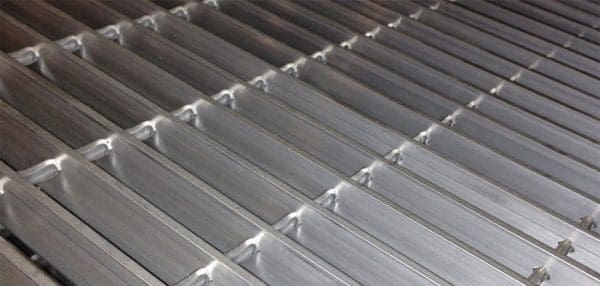
Many property owners and contractors looking for lightweight trench grates often compare aluminum and fiberglass options. It is easy to see why. Both materials are known for excellent corrosion resistance, relatively simple installation, and dependable performance in a wide range of drainage applications. At the same time, they are not identical. Each one brings different strengths, durability characteristics, and ideal use cases to the table.
When choosing between these two materials, the right answer usually depends on factors like expected traffic, exposure to moisture, contact with chemicals, and even the visual style of the surrounding space. To help you narrow down your options, we’ve compared aluminum vs. fiberglass trench grates below. Take a look at how they differ in terms of strength, longevity, maintenance, and applications, and then shop online at The Trench Grate Store.
Overview of Aluminum Trench Grates
Aluminum trench grates are a popular choice for light-duty drainage applications because they combine a lightweight design with solid strength. This material is often selected for residential and commercial spaces where a clean, attractive finish matters just as much as drainage performance. This includes patios, pool decks, and other visible areas where the grate should blend neatly into the overall design.
Another reason aluminum trench grates are widely used is their resistance to rust. Unlike untreated steel, aluminum does not develop the same kind of corrosion issues when exposed to moisture. That makes it a practical option for outdoor drainage systems where rain, splashing water, and changing weather conditions are part of everyday life.
Overview of Fiberglass Trench Grates
Fiberglass trench grates are also lightweight, but they offer a different set of advantages. These grates are made from reinforced composite materials that are valued for their durability in demanding environments. This brings us to one of the biggest benefits of fiberglass: it is highly resistant to corrosion, especially in areas where water exposure is combined with harsh chemicals, salt, or other potentially damaging substances.
Because fiberglass does not rust and can hold up well against a wide range of chemical exposure, it is often used in applications where traditional metal materials may not be the best long-term fit. This may include industrial applications, landscaped environments, and locations where moisture is constant and corrosion resistance is a top priority.
How They Compare in Strength & Structure
When comparing aluminum and fiberglass trench grates, strength is often one of the first concerns. Even in light-duty applications, the grate must be able to support expected traffic and withstand day-to-day environmental stress. The good news is that both aluminum and fiberglass grates receive excellent ratings in this category.
Aluminum is known for offering a strong strength-to-weight ratio. This means it can provide reliable structural support in pedestrian settings and similar applications. It is also lightweight, making it easy to install and maintain.
Fiberglass is also strong and greatly valued for how well it performs in environments that would be tough on metal. While it may not always be the first choice for projects focused heavily on a refined architectural appearance, it offers excellent resilience where corrosion and chemical exposure are part of the equation.
Differences in Longevity & Durability
Both aluminum and fiberglass trench grates are durable materials, but they age differently depending on the conditions around them.
Aluminum offers excellent resistance to rust, which is a major advantage in wet environments. Since it does not corrode in the same way as standard steel, it can provide long-lasting performance in pool decks, patios, walkways, and similar areas. It also holds up well in changing weather, which makes it a reliable all-around choice for many outdoor drainage systems. However, aluminum may be more susceptible to corrosion if exposed to certain chemicals or highly acidic environments.
Fiberglass, in contrast, stands out for its resistance not only to rust but also to chemicals and moisture-heavy conditions. This makes it particularly appealing in places where drains may be exposed to fertilizers, cleaning agents, industrial substances, or salt-laden air.
Maintenance Requirements
Drainage systems are most effective when they require minimal maintenance, and both aluminum and fiberglass trench grates offer relatively simple upkeep.
Both grates typically need periodic cleaning to remove debris, such as leaves, dirt, or sediment that can accumulate in drainage channels. Because these materials resist rust, maintenance usually focuses on keeping the grate clear and ensuring proper drainage flow.
Best Applications for Aluminum Grates
Aluminum trench grates are often the go-to option for attractive, light-duty drainage systems in visible outdoor spaces. Their clean appearance and dependable strength make them a natural fit for:
- Patios and outdoor living spaces
- Pool decks and spa areas
- Pedestrian walkways
- Decorative landscape drainage systems
If the goal is to combine performance with a polished, professional look, aluminum often checks both boxes. It can complement pavers, concrete, stone, and other common surface materials while still supporting efficient water management.
Best Applications for Fiberglass Grates
Fiberglass trench grates are especially useful in areas where corrosion resistance is a top concern. Typical applications include:
- Landscaped Spaces: This is especially true when the grate is green, as it can blend more naturally into grass, planting beds, or garden features. In those settings, fiberglass can provide both function and a more subtle visual impact.
- Pool Decks & Spa Areas: Fiberglass grates are a great option around pools, splash pads, and spa environments where surfaces are frequently wet. This is because fiberglass grates feature a grit top surface, which enhances slip resistance and helps improve safety for barefoot traffic in these high-moisture areas.
- Industrial Facilities: Where drains may be exposed to chemicals, cleaners, or other harsh substances, fiberglass can offer durability that supports long-term performance.
If the project environment includes repeated contact with moisture plus potentially damaging materials, fiberglass may be the more dependable choice for light-duty drainage performance.
Buy Aluminum and Fiberglass Trench Grates Today
The choice between aluminum vs. fiberglass trench grates often comes down to the environment, expected exposure to moisture or chemicals, and the overall design goals. In many situations, you cannot go wrong with either aluminum or fiberglass grates.
If you’re planning a drainage installation, consider browsing the wide selection of aluminum and fiberglass trench grates available from The Trench Grate Store. Our products are built with quality construction and designed to provide dependable drainage solutions for patios, landscaped areas, industrial environments, and many other light-duty applications. With the right grate material in place, you can help ensure your drainage system performs efficiently for years to come. Start shopping today!