
Types of Trench Grates & Applications
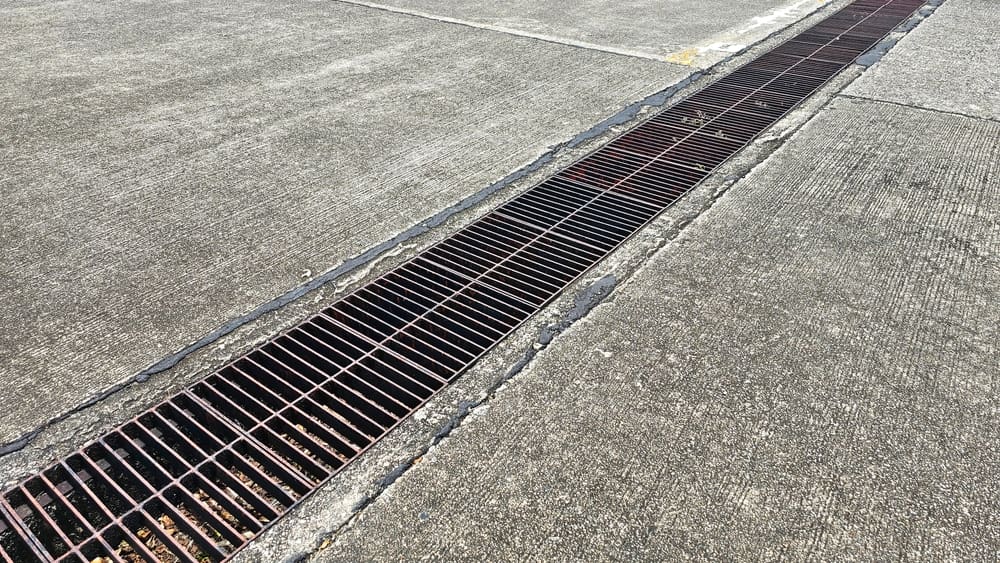
Trench drain systems are used in a wide variety of environments, from residential driveways and patios to busy commercial properties, industrial facilities, and municipal roadways. These systems play a critical role in managing surface water, preventing flooding, and protecting structures from water damage. Of course, the effectiveness of any trench drainage system depends heavily on the type of grate installed on top of the drain.
Because every project has unique requirements, understanding the various trench grate options available can help property owners, contractors, and engineers make smarter decisions when planning drainage systems.
In this guide, we’ll explore some of the most common types of trench grates, including galvanized steel, cast iron, aluminum, stainless steel, and fiberglass, and discuss the types of applications where each material performs best.
Galvanized Steel Trench Grates
Steel is one of the most widely used drainage grate materials because it offers excellent strength and versatility. Galvanized steel trench grates are particularly popular because the galvanization process adds a protective zinc coating that helps resist rust and corrosion.
Key Characteristics
Common features of steel trench grates include:
- Moderate load-bearing capacity
- Strong structural integrity
- Custom fabrication options
- Cost-effective performance
These grates can support heavier loads than lighter-duty materials like aluminum, making them suitable for spaces where cars, light trucks, carts, or steady pedestrian traffic are expected.
Typical Applications
Galvanized steel grates are commonly used in environments that require reliable drainage in moderate to heavy load applications. These include:
- Residential driveways
- Parking areas
- Commercial properties
- Loading zones
- Warehouses
- Service entrances
Potential Drawbacks
While galvanized steel resists corrosion better than untreated steel, it may not be the best option for highly aggressive environments. Areas with constant chemical exposure, saltwater contact, or extreme sanitation requirements may call for a more corrosion-resistant alternative.
Cast Iron Trench Grates
When maximum strength and load capacity are top priorities, cast iron trench grates are often the preferred solution. In fact, they are a common choice in settings where heavy vehicles, constant traffic, and long-term structural reliability are non-negotiable.
Key Characteristics
Important characteristics of cast iron trench grates include:
- Extremely high strength
- Excellent resistance to impact
- Long service life
- Ability to support heavy vehicles and equipment
Because of its weight and toughness, cast iron is less likely to shift in place under heavy traffic. This contributes to a safer and more stable drainage surface in areas where vehicles regularly pass over the grate.
Typical Applications
Cast iron trench grates are commonly used in locations where heavy loads are expected. Typical applications include:
- Municipal roadways
- Industrial facilities
- Warehouses
- Loading docks
- High-traffic parking areas
These are environments where lighter materials simply cannot offer the same level of support. Cast iron is especially valuable in installations where drainage channels cross streets, parking lots, service roads, or other areas subjected to repeated heavy loading.
Potential Drawbacks
Because cast iron is heavier than many other materials, it can make installation and handling more labor-intensive. It may also require more consideration in environments where aesthetics or frequent manual access are major priorities.
Stainless Steel Trench Grates
Stainless steel trench grates are ideal for environments where cleanliness, corrosion resistance, and appearance all matter. In food service, healthcare, and upscale architectural spaces, they provide long-lasting drainage performance while maintaining a polished and professional finish.
Key Characteristics
Stainless steel grating is often favored for its:
- Strong structural performance
- Excellent resistance to rust, staining, and chemical exposure
- Support of sanitary conditions
- Sleek, modern appearance
Typical Applications
Stainless steel trench grates are commonly used in:
- Food processing facilities
- Commercial kitchens
- Hospitals
- Laboratories
- Breweries
- Washdown areas
- Decorative architectural settings
Stainless steel is especially useful in places that require frequent cleaning or exposure to water, cleaning agents, or other corrosive substances.
Aluminum Trench Grates
Aluminum trench grates are an excellent fit for residential and light commercial drainage needs. They are practical, rust-resistant, and well-suited to spaces where foot traffic is the main concern and a lighter, cleaner-looking grate is preferred.
Key Characteristics
Aluminum is naturally resistant to corrosion, making it a great choice for outdoor environments that are frequently exposed to water. In addition, aluminum grates are significantly lighter than steel or cast iron, which simplifies transportation and installation.
Key benefits of aluminum trench grates include:
- Lightweight construction
- Natural corrosion resistance
- Low maintenance requirements
- Easy installation
Aluminum grating is also commonly used in architectural applications where appearance and functionality both matter.
Typical Applications
Because of their lighter weight and corrosion resistance, aluminum trench grates are commonly installed in:
- Pool decks
- Patios
- Landscapes
- Pedestrian walkways
- Commercial sidewalks
These environments benefit from aluminum’s ability to manage water runoff while remaining easy to maintain.
Potential Drawback
Aluminum is generally considered a light-duty material and is not the right choice for heavy traffic or high-load applications.
Fiberglass Trench Grates
Fiberglass trench grates are a strong option for corrosive industrial environments and areas where a lightweight, non-conductive material is preferred. They help extend system life in harsh conditions and reduce maintenance concerns tied to rust and chemical damage.
Key Characteristics
Fiberglass grating provides several unique advantages compared to traditional metal materials:
- Excellent corrosion resistance
- Lightweight construction
- Non-conductive properties
- Low maintenance requirements
Because fiberglass does not rust, it performs well in environments where exposure to moisture or chemicals is common.
Typical Applications
Fiberglass trench grates are often used in specialized environments, including:
- Wastewater treatment plants
- Chemical processing facilities
- Coastal or marine environments
- Industrial plants
- Areas requiring non-conductive materials
How to Choose the Right Trench Grate Material
Selecting the right trench grate for your project requires careful consideration of several important factors.
Load Requirements
One of the most important factors to consider is the amount of weight the grate must support. For example:
- Pedestrian areas may only require light-duty grates.
- Driveways and parking areas require moderate load capacity.
- Industrial environments may require heavy-duty cast iron grates.
Choosing a grate that matches the expected load helps prevent damage and ensures long-term performance.
Environmental Exposure
Environmental conditions also play a major role in determining the best grate material. For example:
- Outdoor environments exposed to moisture may benefit from galvanized steel or aluminum grates.
- Sanitary environments may require stainless steel grates.
- Chemical environments may require fiberglass grates.
Selecting a corrosion-resistant material helps extend the life of the drainage system.
Project Budget
Budget considerations also influence trench grate selection. Materials such as aluminum or galvanized steel may provide a cost-effective solution for many projects, while specialized environments may require higher-end materials like stainless steel.
Balancing performance requirements with budget considerations helps ensure the project remains both effective and economical.
Aesthetics
In public-facing spaces, commercial kitchens, hospitals, or decorative hardscapes, the appearance of the grate may matter almost as much as its performance. Stainless steel and aluminum are often selected for their cleaner visual appeal, while cast iron and galvanized steel are favored for their rugged functionality.
Partner With The Trench Grate Store for the Right Solution
Choosing the right trench grate material is essential for ensuring that your drainage system performs reliably for years to come. At The Trench Grate Store, we specialize in providing high-quality trench grate products designed to meet the needs of a wide range of projects. Whether you need galvanized steel, cast iron, aluminum, stainless steel, or fiberglass trench grates, our team can help you select the right product for your project.
Contact us today for expert guidance or a quote for your trench grate needs. Our team is ready to help you build a drainage system that delivers reliable performance for years to come.